
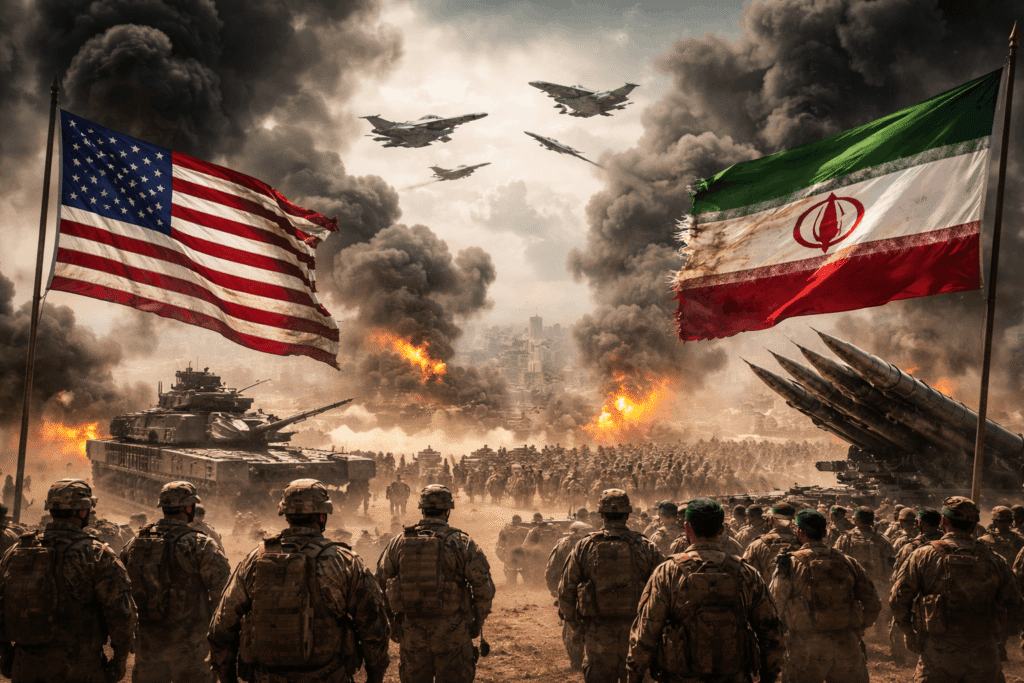
As there is military tension between America and Iran, a series of nations are busy trying to avoid a war that has spread to Iran’s neighborhood. In this blog post, we will look at the various diplomatic efforts and see if they can succeed in reducing these tensions.
What Is Happening Between America and Iran?
On Wednesday, US President Donald Trump once again threatened Iran and said that if Iran does not take steps to stop the nuclear programme, then America’s army will do its job. Trump also wrote in a post on the social platform that a huge storm is moving towards Iran.
Trump had earlier this month threatened a military move against Iran amid protests against the country’s government.
Iran’s Response
Tehran has also indicated its readiness for its defense and says that it is not ready to surrender under the threat of attack.
Kazem Gharibabadi, a senior leader of the Iranian diplomatic team, told Iranian media that Tehran’s current intention is not to negotiate with the US but to prepare for the defense of its country.
Even if the conditions are not favorable for negotiations, Iran will remain fully prepared for defense.
Military Preparations
The Iranian army has announced that it has added 1,000 new strategic drones to its arsenal, including one-way attack drones.
Along with this, Iran is also using diplomatic channels to reduce tension in this situation.
Pakistan’s Stance on It
On Thursday, Abbas Araghchi spoke by phone with the Pakistani foreign minister. According to reports from the Iranian government, Ishaq Dar dismissed the concept of usurping state autonomy and interfering in the internal affairs of another country as false.
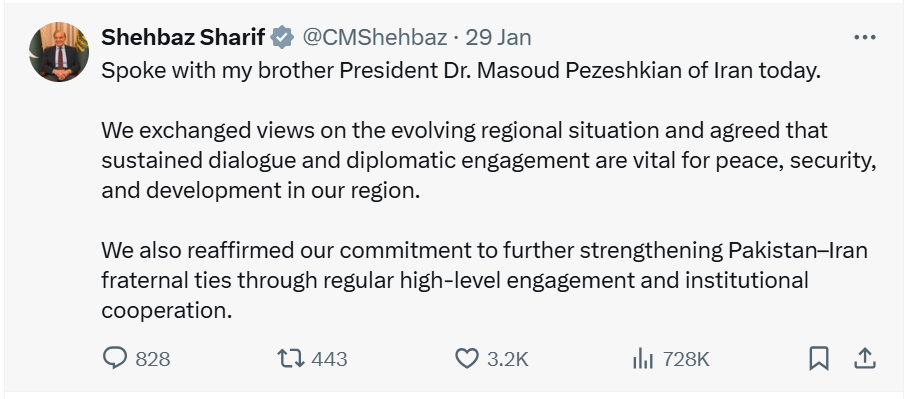
On the same day, Pakistani Prime Minister Shehbaz Sharif also talked to the Iranian President. He wrote in the post that the leaders have tried to make the relationship between Pakistan and Iran more powerful.
Experts’ Views on Diplomacy
Experts say diplomatic efforts to ease military tensions between the United States and Iran are likely to have a limited impact.
Calls from regional countries to de-escalate will not have much impact on U.S. decisions on whether to attack Iran, says Adnan Hajnah, a professor of international relations at Qatar University.
“[Trump] doesn’t really care much about regional actors. Ultimately, he follows his own opinions,” he added.

Pingback: Jose Antonio Kast: Biography, Career & Political Views